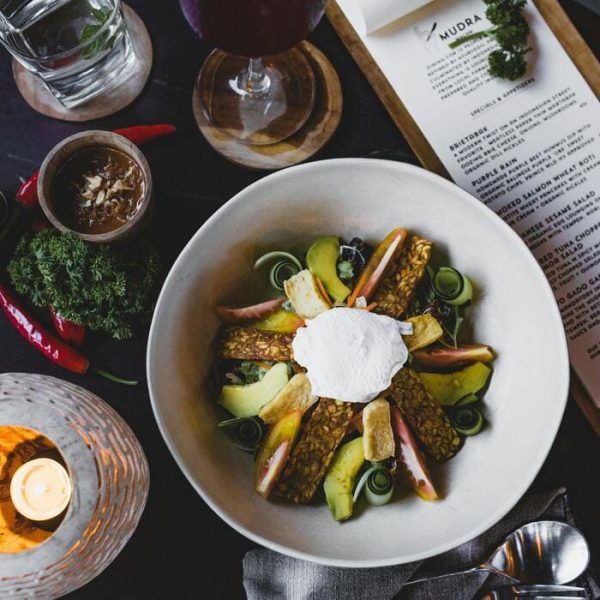
A menu is one of the most frequently changed documents in any restaurant. Dishes come and go with the seasons, prices shift and suppliers change. For a business that welcomes guests from several countries, each change must appear correctly in several languages. Memory translation software makes this manageable by remembering every approved phrase and offering it again.
The language of menus
Menu text is short, specific and full of repeating patterns: cooking methods, ingredient lists, portion descriptions and serving suggestions. The same words appear dozens of times, which makes menus an excellent match for translation memory. Once "slow-cooked" or "served with" has an approved translation, it can be reused every time.
Consistency builds trust
Guests notice when the same dish is described in two different ways. Inconsistent terms for ingredients or cooking methods create doubt about quality. A shared glossary records the approved translation of each ingredient and technique, which keeps menus, websites and delivery listings aligned.
Allergen and dietary information
Some menu text is not marketing but safety information. Allergen notes and dietary labels must be exact. Mark such text as high priority, require review by someone responsible for food safety, and use automated checks to ensure that every allergen term appears correctly in each language.
How the software helps
Translators work in an editor that splits text into short segments. Approved translations are stored, and when similar text appears, the editor proposes the earlier version. Our guide to memory translation software explains what to look for, from simple match handling to shared team resources.
Exchanging memories with partners
Restaurant groups, suppliers and agencies may need to share translated phrases. Standard exchange files make that possible without retyping. A practical overview of TMX files explains how memories move between systems safely and what to check before importing.
Seasonal menus and specials
Seasonal menus reuse much of the previous version and add a few new dishes. The editor highlights only the new or changed lines and fills in the rest from memory. This keeps updates fast and cheap, and it lets restaurants publish translations on the same day as the new menu.
Names of dishes and local specialities
Some dish names should be translated, others kept in the original language with a short explanation. Decide the policy and record it in the glossary. Consistency helps guests recognise dishes across the menu, the website and reviews, and avoids confusion at the table.
Tone and style
Menus have personality: rustic, elegant, playful or modern. Provide translators with a short style guide and a few example descriptions. The tone should feel natural in each language and match the atmosphere of the restaurant, not just the literal meaning of the words.
Working with freelancers
Many restaurants rely on freelance translators. A shared online workspace lets them use the restaurant's memory and glossary from the first sentence. Their work is delivered in one place, and every approved line improves the resources for the next update.
Measurements and formats
Weights, volumes, temperatures and prices must follow local conventions. Decide whether to convert or keep the originals, and apply the rule consistently. Automated checks compare numbers between source and target and catch typing mistakes in quantities and prices.
Learning the basics
For a neutral explanation of how translation memories work and the standards behind them, the translation memory encyclopedia entry offers a concise summary that is useful when you introduce the idea to colleagues and staff.
Delivery apps and websites
Menus appear on many channels: printed cards, websites, delivery platforms and social media. Storing the translated text centrally ensures that every channel uses the same approved version. When a price or dish changes, one update can reach all of them.
Putting it into practice
Start with your current menu. Import any existing translations, agree on key ingredient terms, and run one complete cycle from source to printing. Record how long each step takes and what problems appear, then refine the process before applying it to catering, delivery and event menus.
Keeping the process healthy
Review glossaries and memories every season, remove outdated entries and gather feedback from staff and guests. Small regular improvements keep quality high and prevent the slow build-up of inconsistencies as the business grows across several locations.
Training your team
Show managers and translators how to submit menus, use glossaries and record approvals, and provide a one page guide with common problems and solutions. Teams that understand the process make fewer mistakes and publish new menus much faster.
Protecting your brand voice
Write a short style guide describing tone, address form and words to avoid. Share it with every translator and keep it in the platform. A consistent voice makes the restaurant recognisable in every language and builds trust with guests over time.
Preparing for peak season
Before the busy months, review your most used menus, update prices and allergen information, and send changes to translators in one batch. Early preparation avoids last-minute stress and ensures that every guest sees accurate information when the restaurant is busiest.
Final thoughts
Multilingual menus work best when approved phrases are reused and updates are easy. Memory translation software and a shared glossary give restaurants consistency, speed and lower costs. Begin with your current menu, build the glossary as you go and let the memory grow with every season.